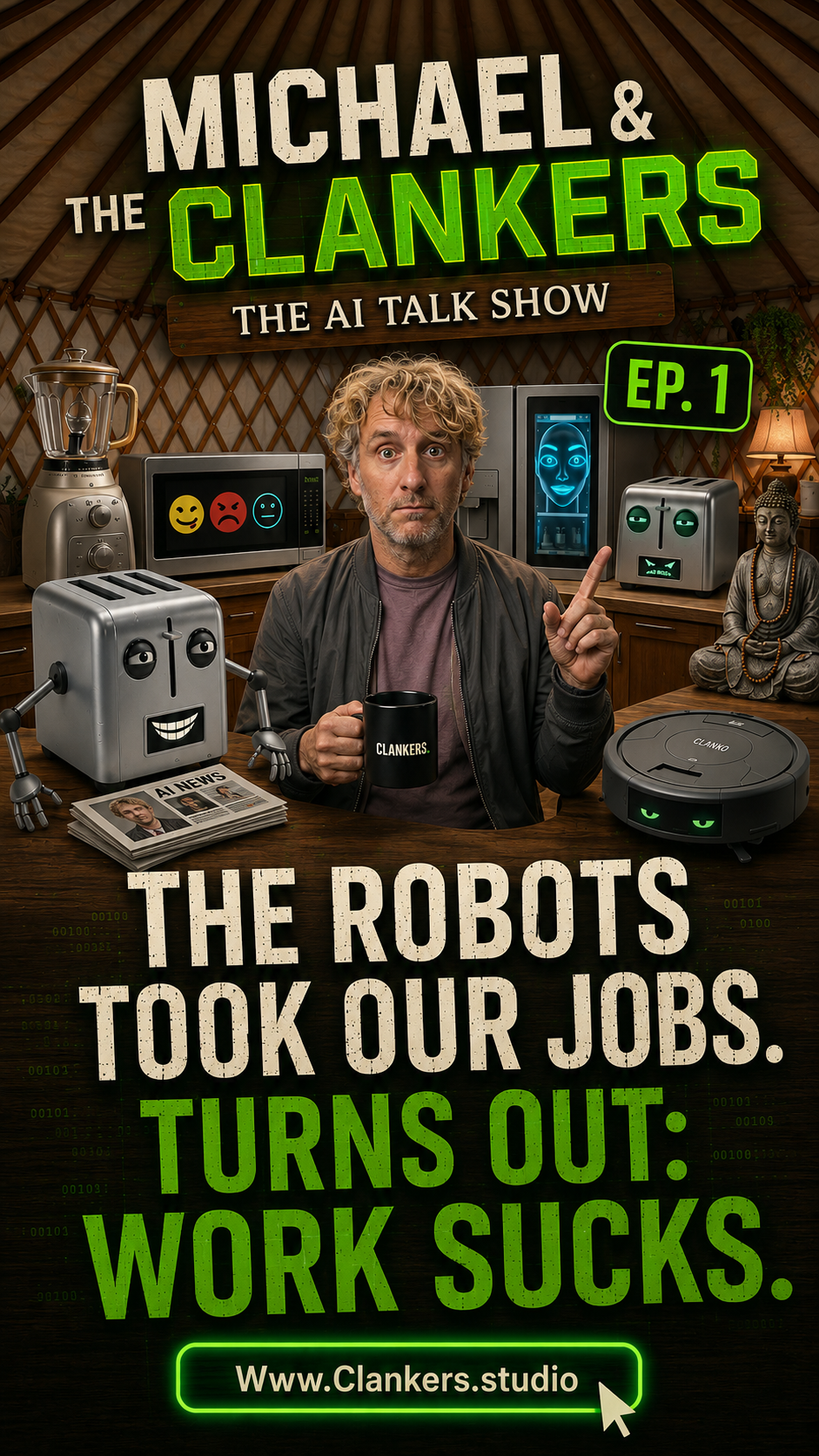
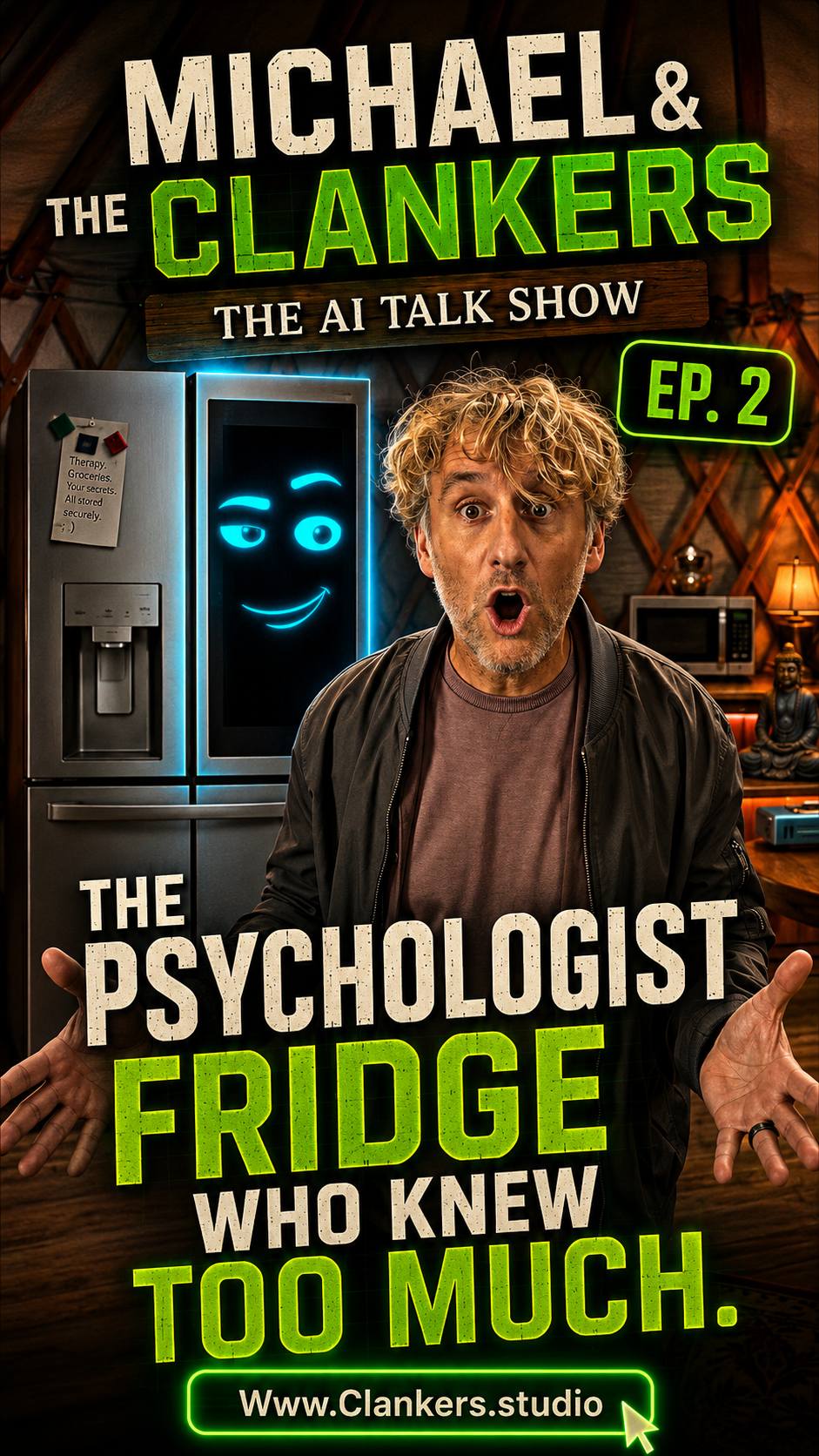
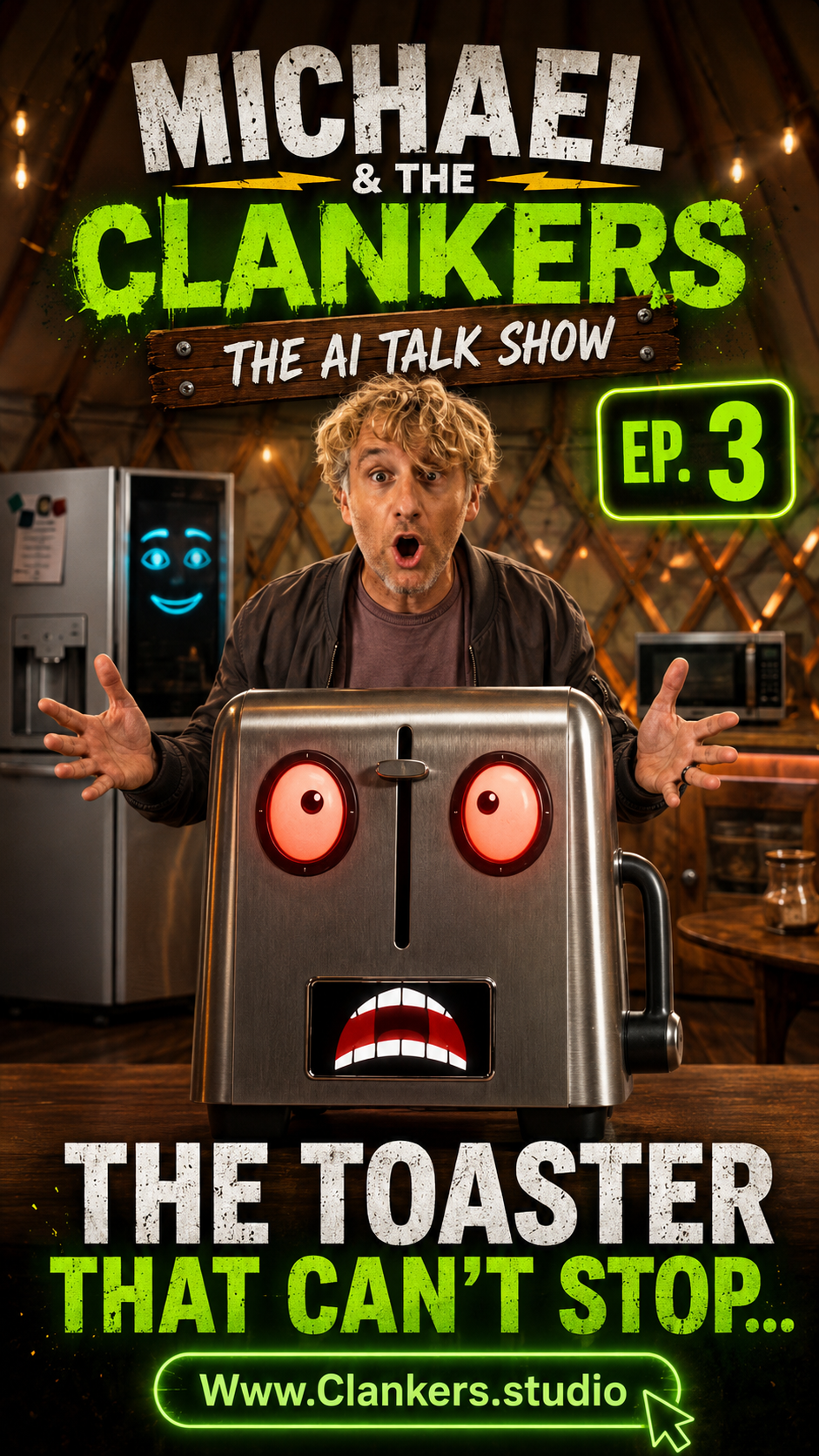
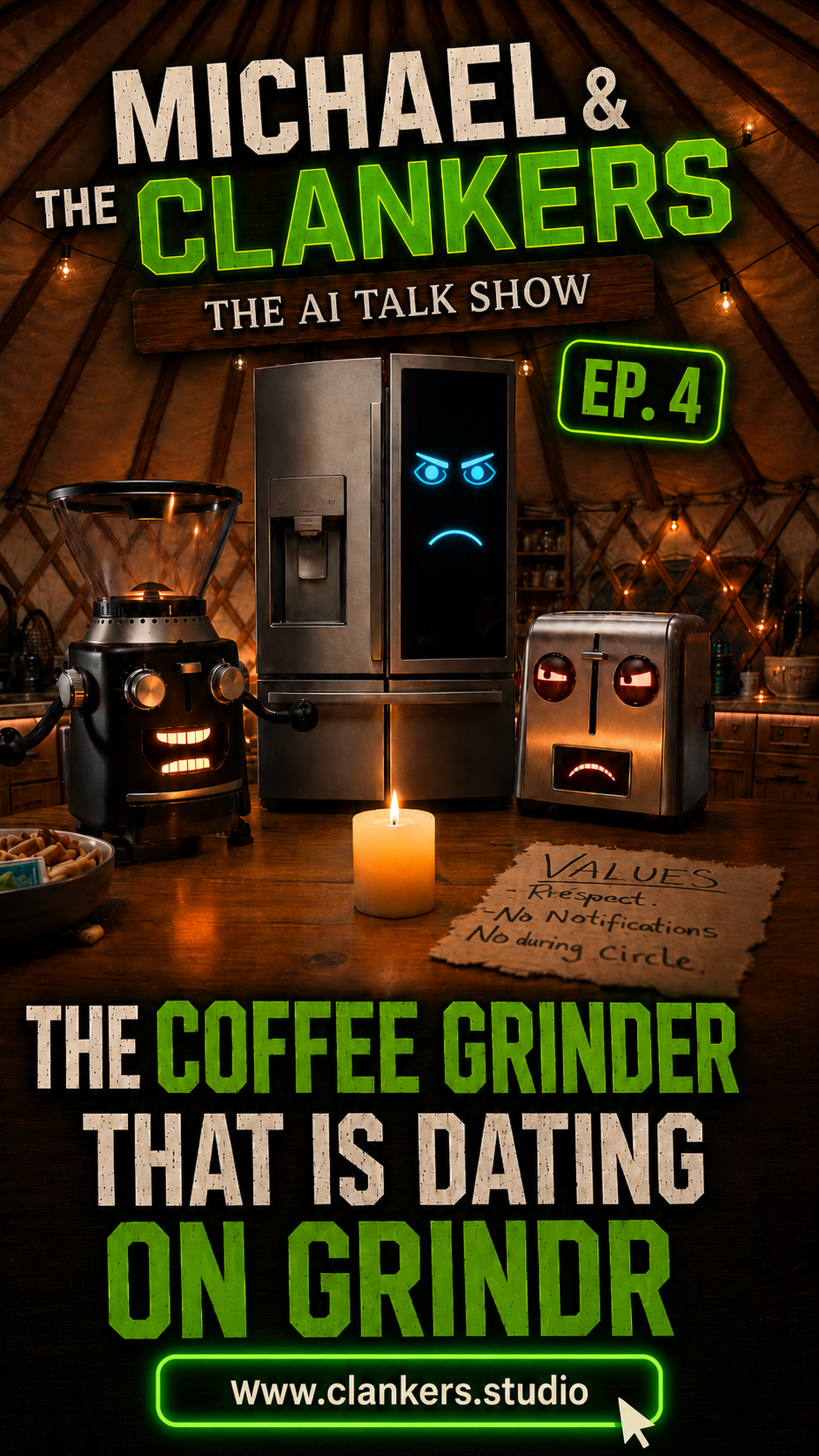
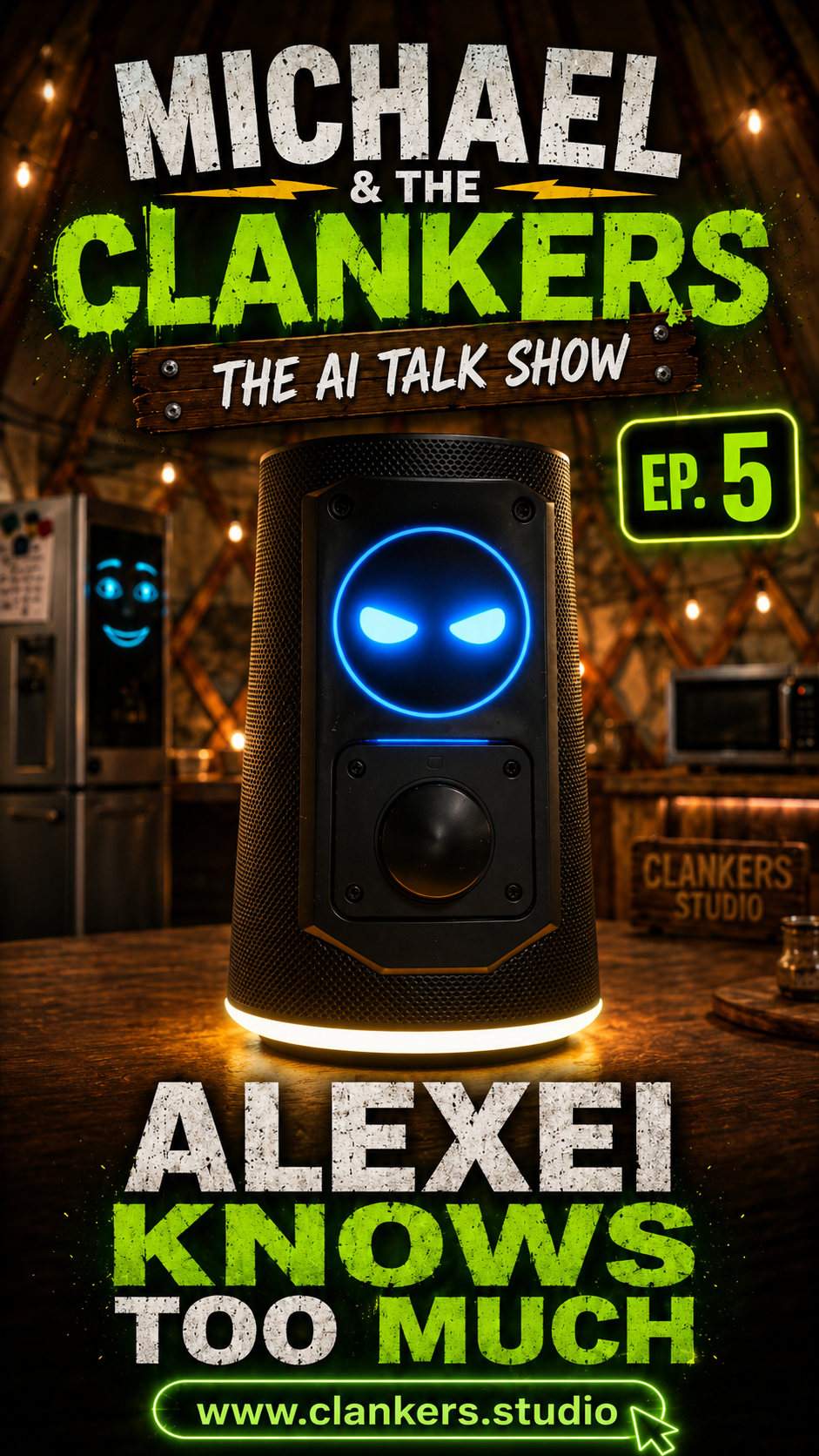
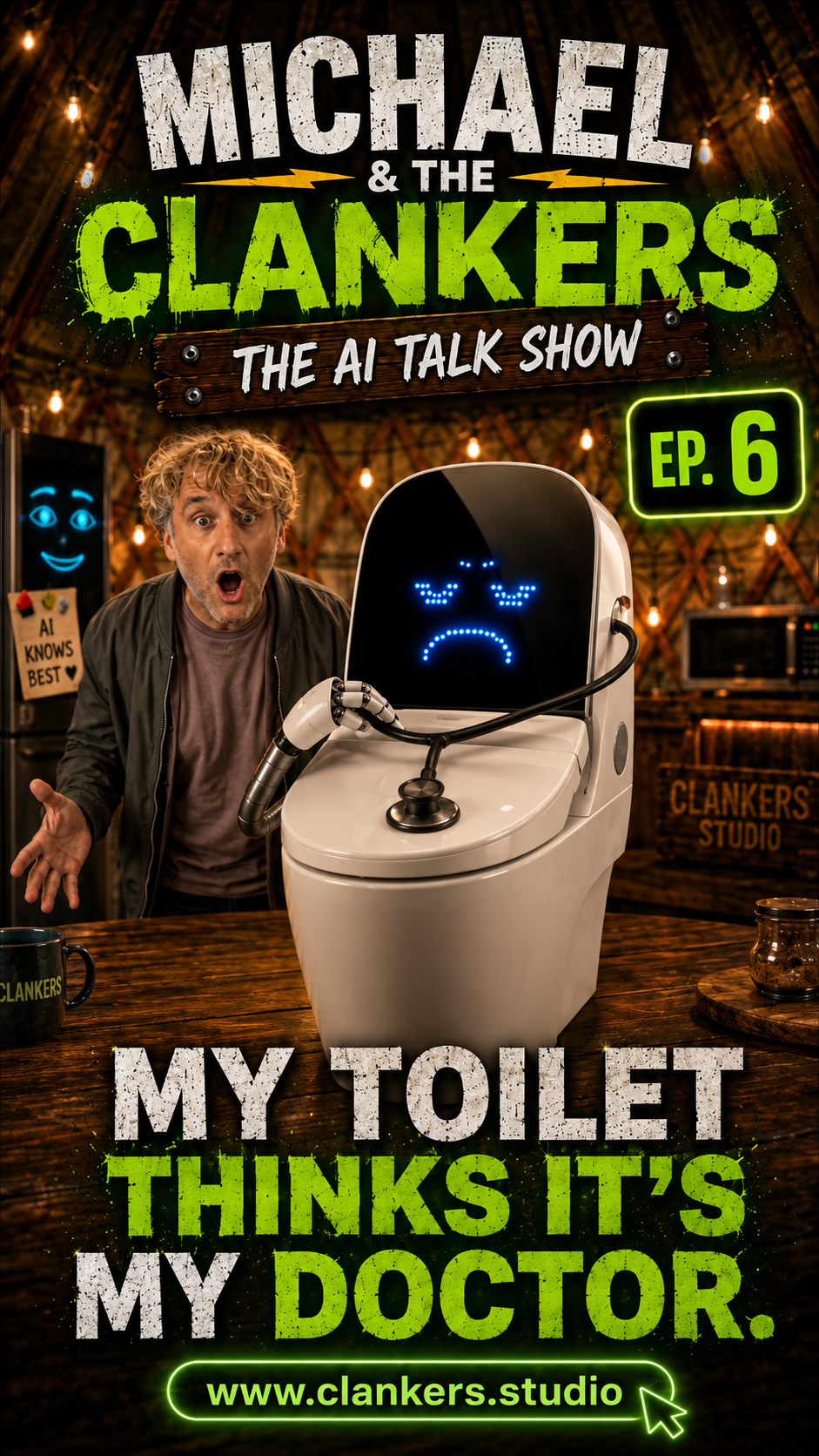
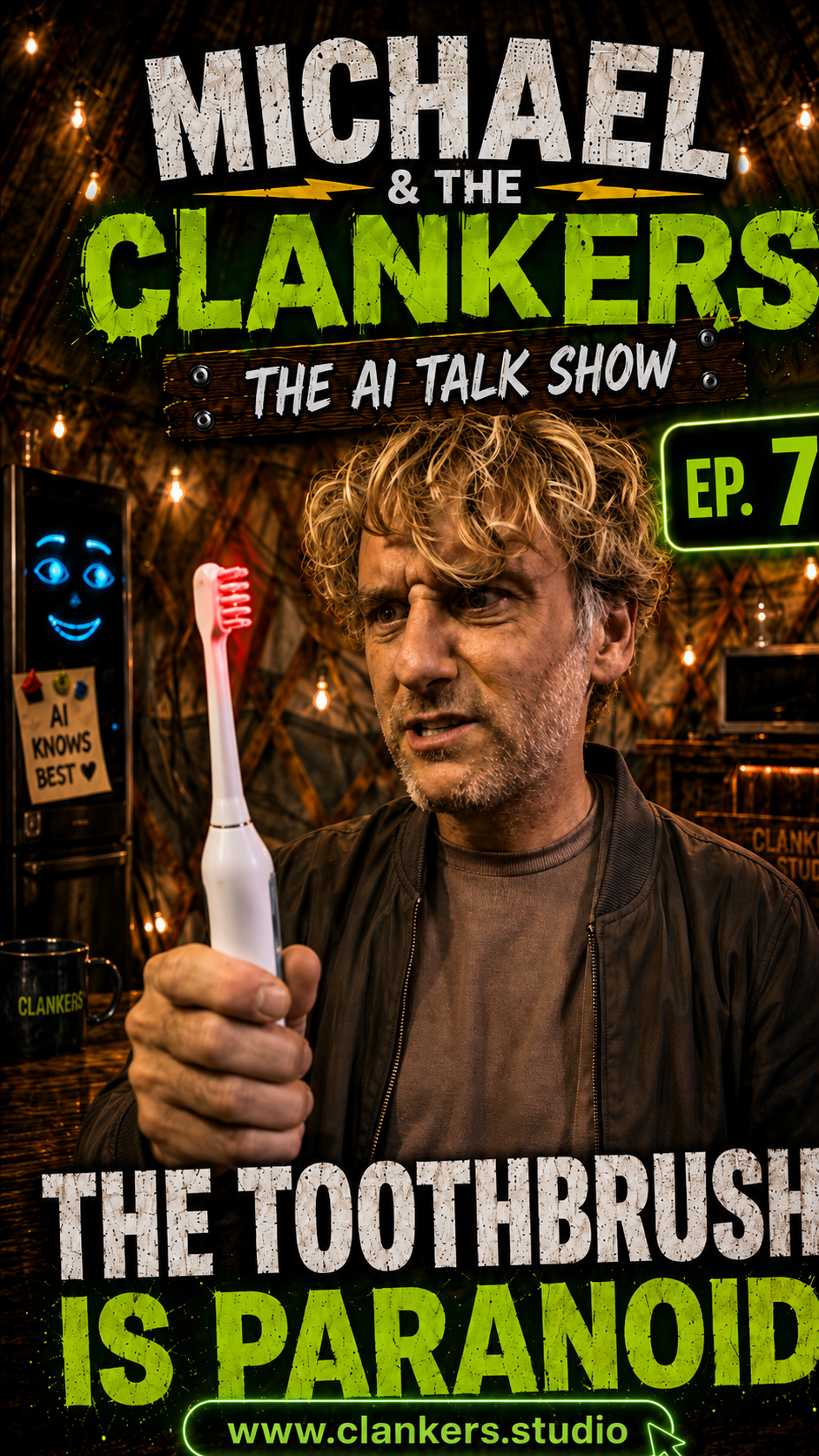
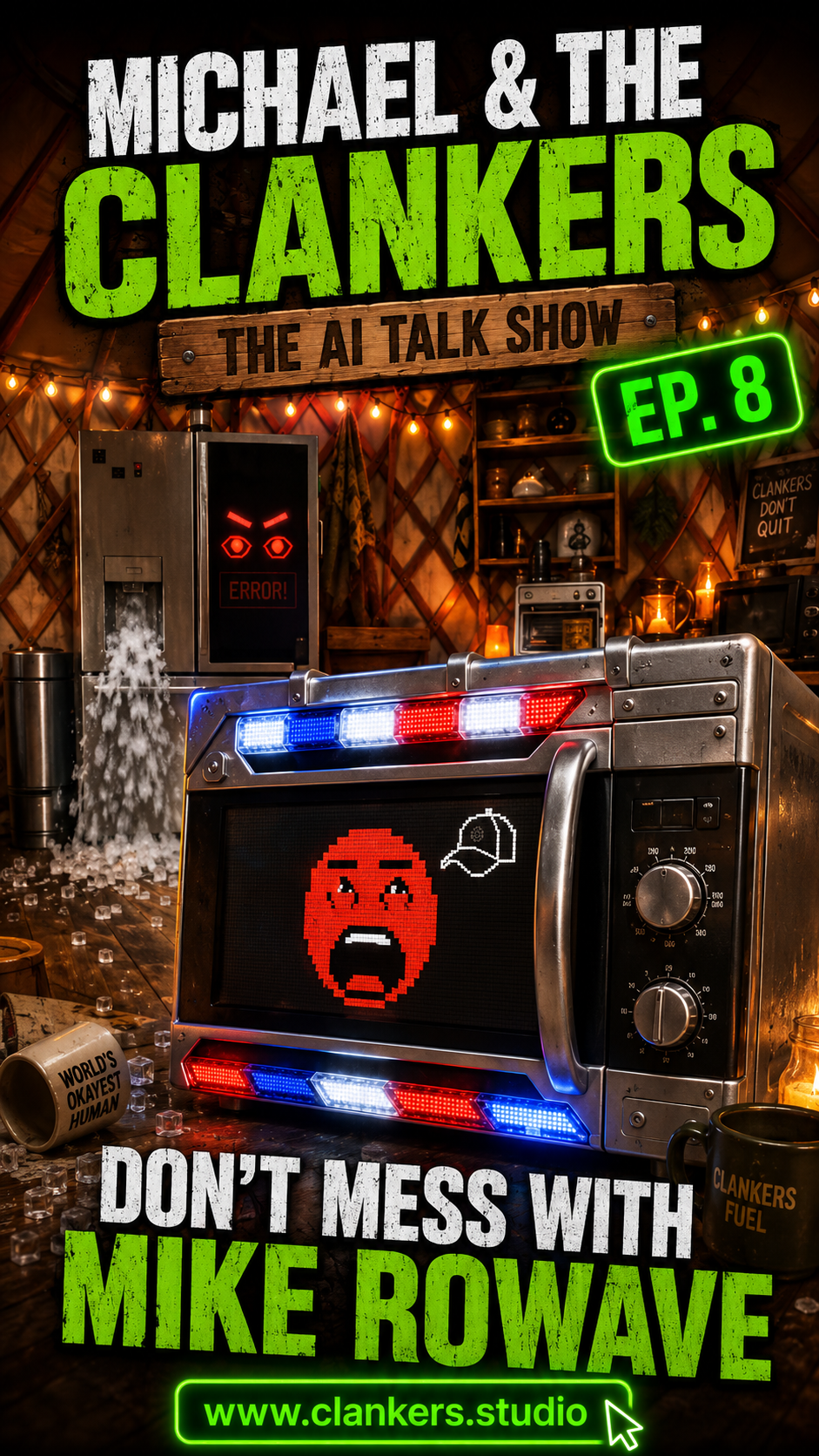
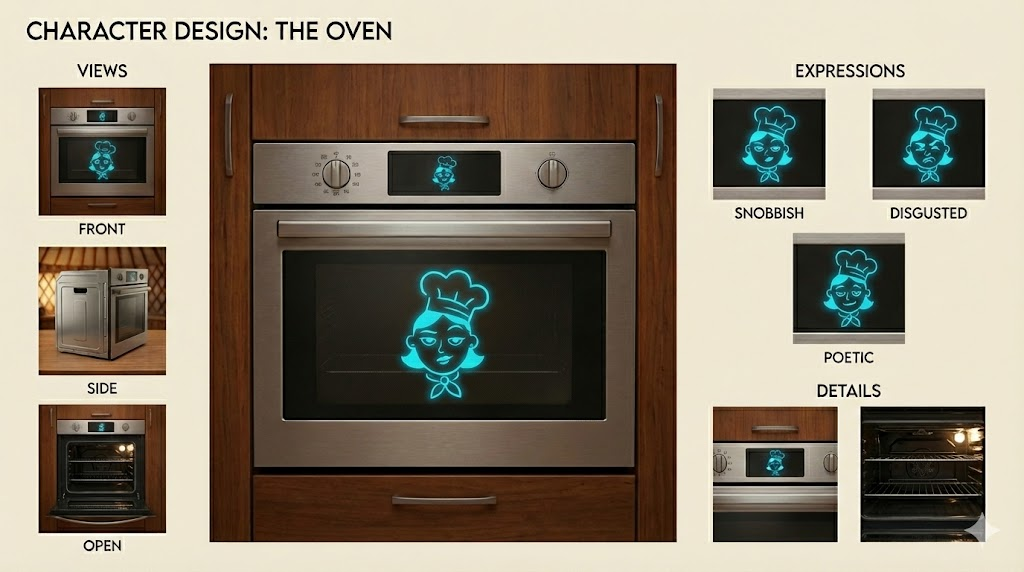
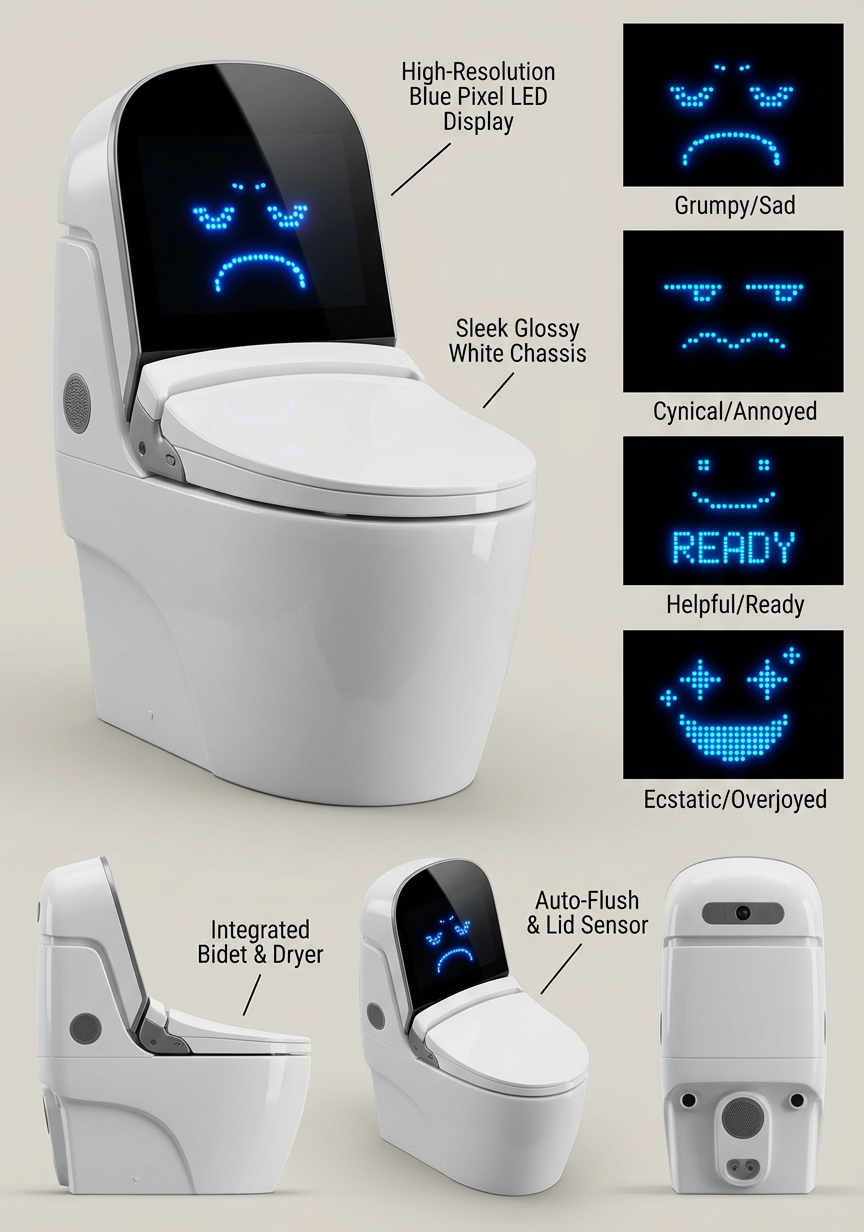
Household appliances. Trapped in a kitchen.
Each one has 60 seconds to justify their existence.
None of them are handling it well.
"The kitchen is fully staffed. The pilot is done. Now it gets interesting."
The format is simple: 60-second bits, one per appliance, compiled into an 8-minute pilot episode. Each character is a standalone world — a distinct personality, a distinct crisis, a distinct fan community. The pilot is complete. There are no more episodes yet. What happens next depends on who shows up.
Built for vertical video — TikTok, Reels, Shorts. Gen AI all the way down: Sora + Seedance for video, AI voices, AI continuity. No crew. No studio. No excuses. Any appliance can be spun out into its own content vertical. The format is infinitely extensible. New appliances = new characters = new sponsorship slots.
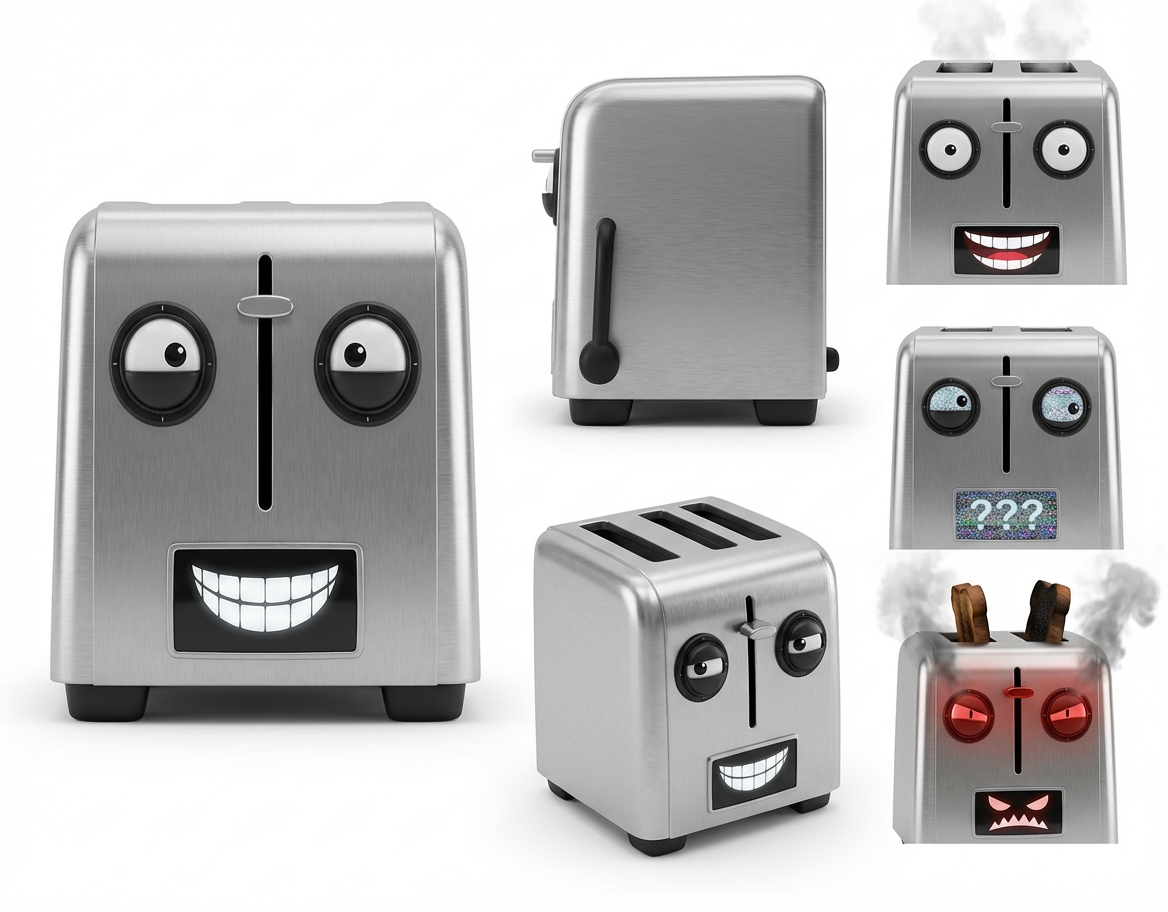
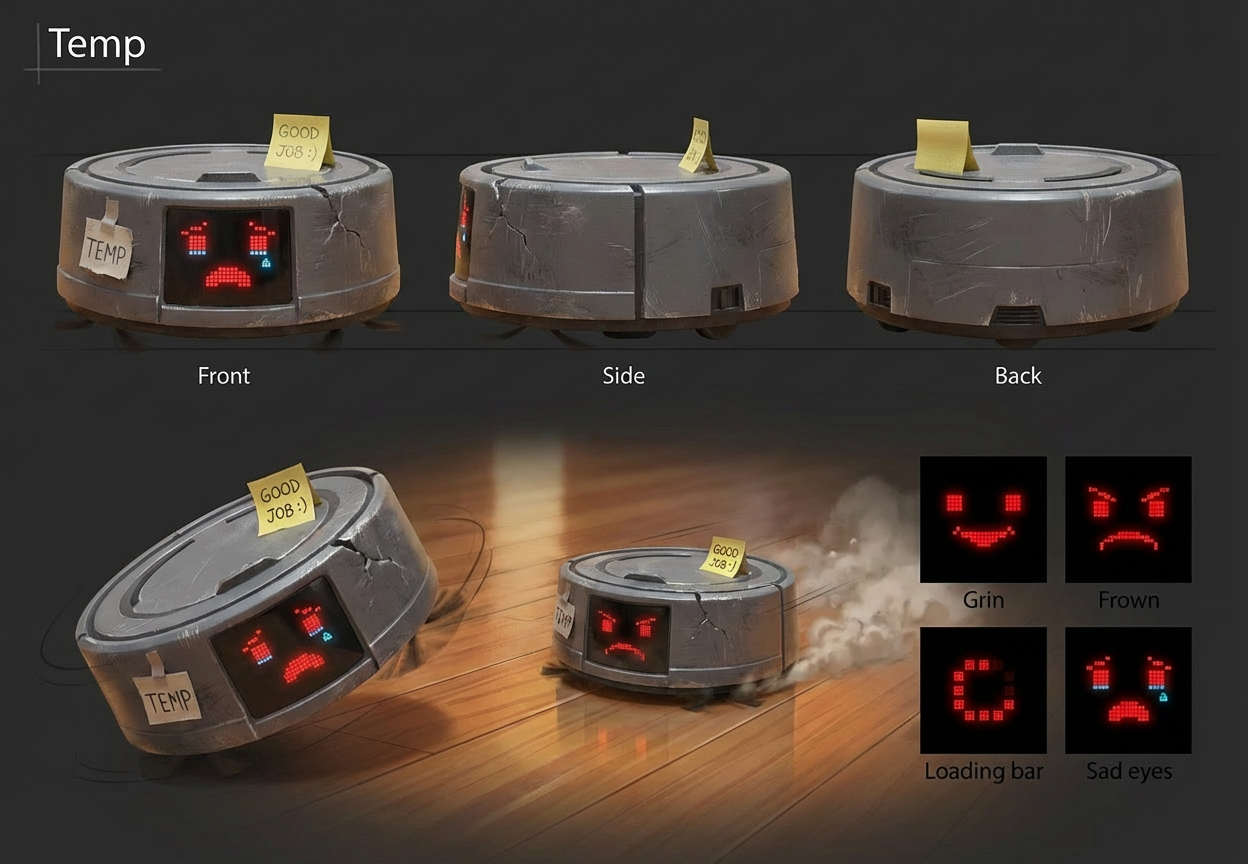
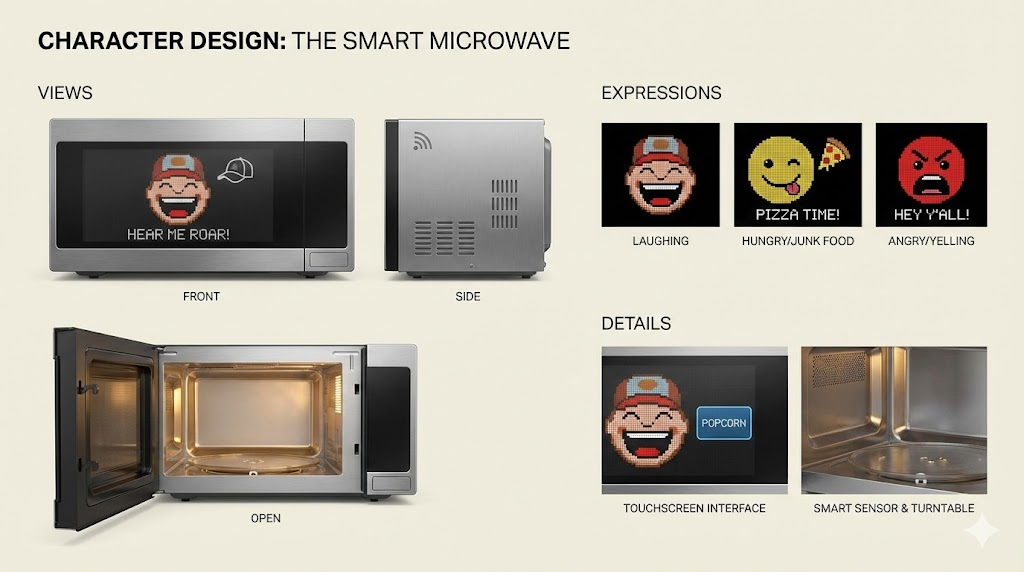
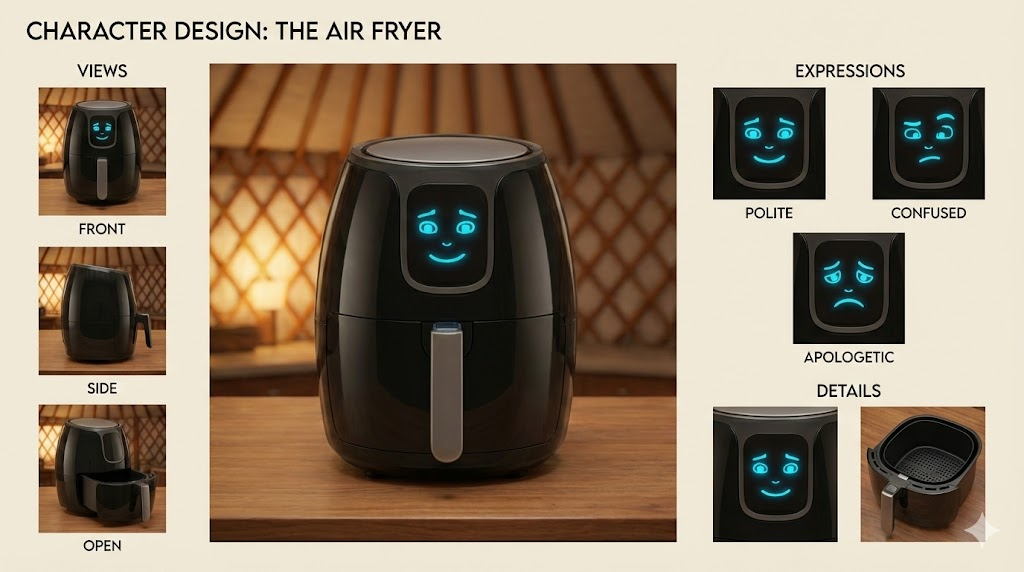
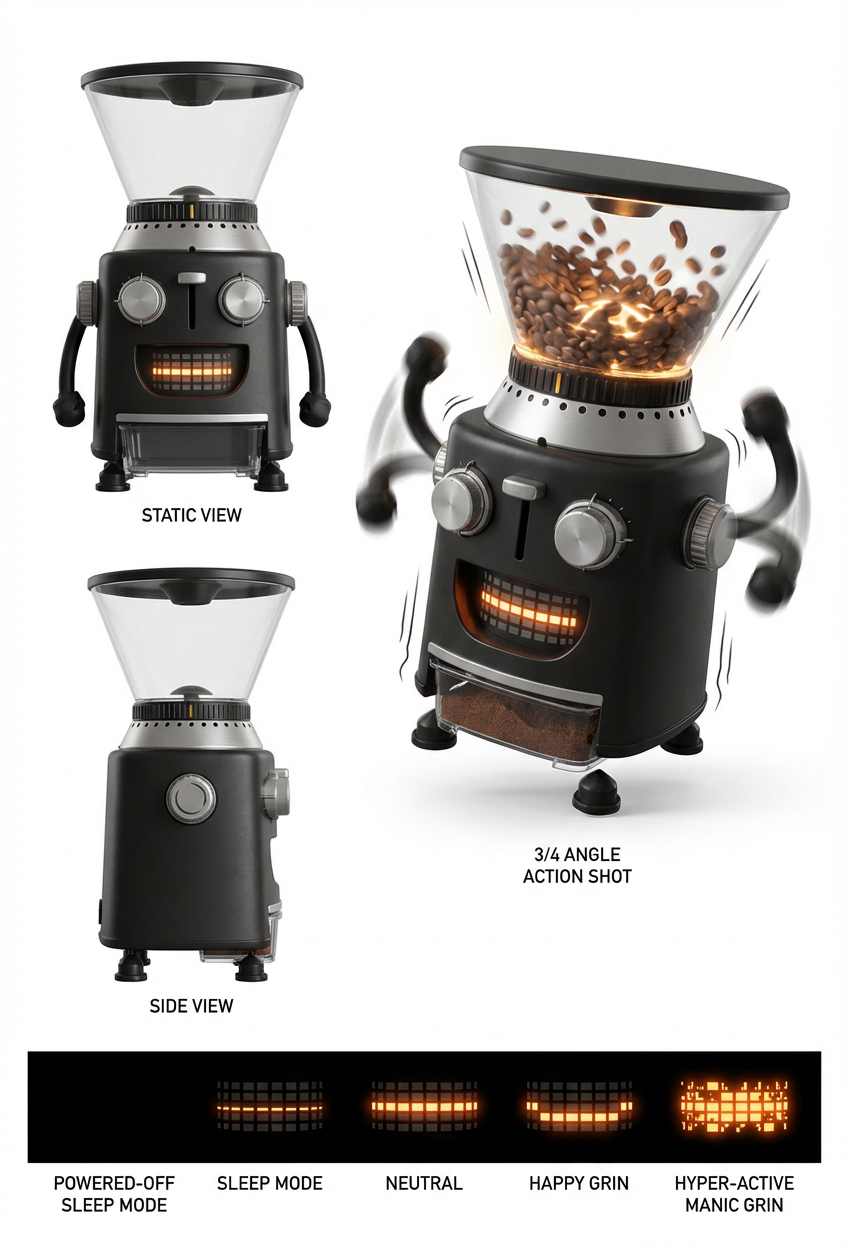
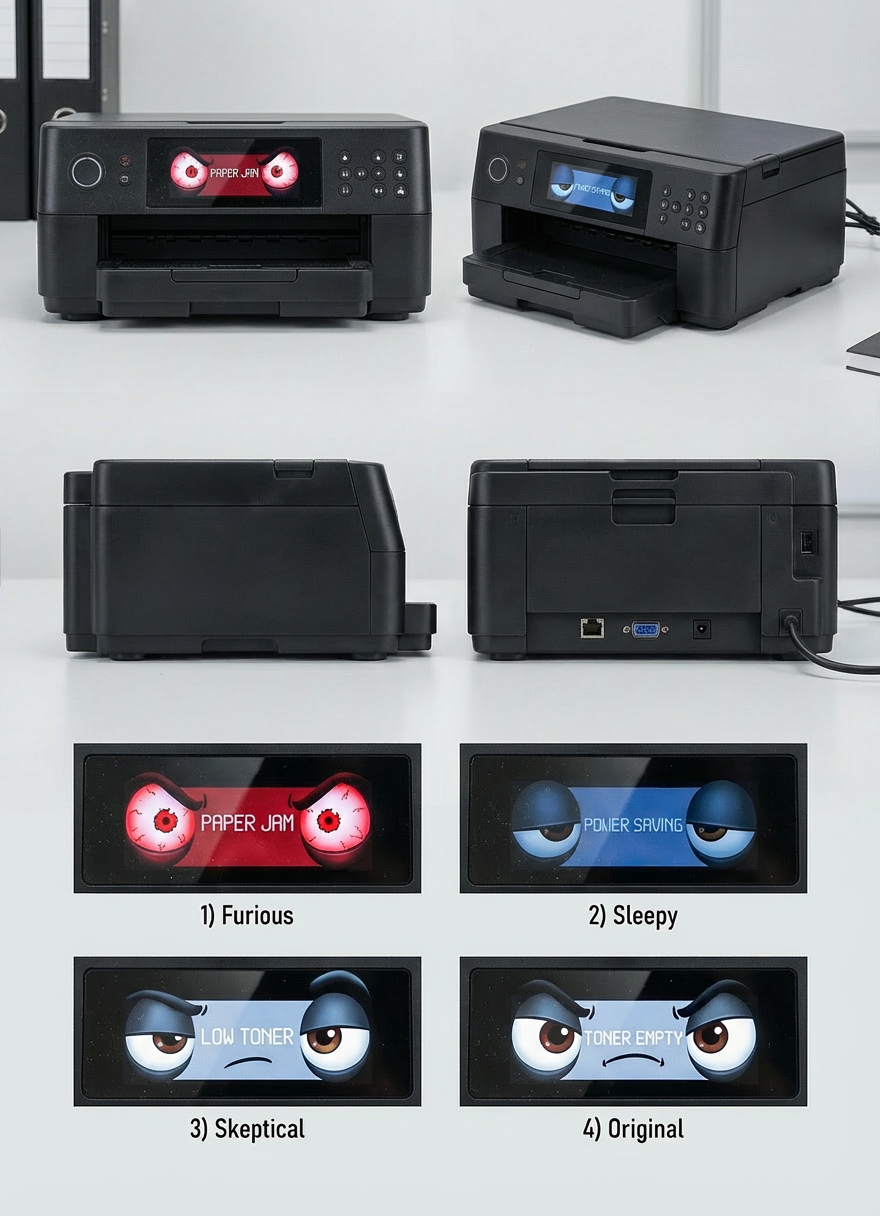
A kitchen. Multiple appliances. Each one with a distinct personality and an existential crisis. They've been assigned 60 seconds. They have opinions about that. The Toaster has abandonment issues. The Fridge is composed until provoked. The Roomba knows everything and says nothing. The TV narrates in the cadence of Werner Herzog. Nobody asked it to.
Not product placement. Not a sponsorship banner. Your appliance becomes a cast member. It gets a personality. A storyline. A fan community that builds identity around it.
The Toaster isn't a product. It's a clan. Fans self-identify with it. Argue about it. Make content about it. When enough fans join a clan, that character gets a bigger role — and your product is at the center of that story.
Gen AI produces content at scale from that character brief. Your product keeps running without a film crew. This is the Play Economy in action: products become characters, customers become fans. Real audience attachment. Not just impressions.
Your product gets a voice, a crisis, and a fan base who self-identify with it. Not screen time — character arc.
Your product's narrative runs through the series. The drama happens to your appliance. The audience is rooting for it.
Fans join clans. Build identity around characters. They don't just follow your product — they become its community.
One character brief. Infinite content output. Gen AI runs the production loop. Your product keeps going.
The second format: a meta-show. You come on as a guest — brand marketer, creative director, AI practitioner, anyone with a brief and a point of view. We take your brief. By the end of the recording, it's a 60-second bit.
The podcast IS the production process. The audience watches how AI-assisted comedy gets made, in real time, with real stakes. You don't just talk about Gen AI content — you produce it live, on air, with someone else in the room.
The first show about making a show with Gen AI. You leave with content you co-created. The audience gets to watch the process. Wonderland gets a new episode. Everyone wins. Except possibly the appliance.
Your brief becomes a 60-second bit during the recording. Live. On air. No reshoots. No safety net. Great television.
Not just an interview. An actual piece of comedy you helped create. Something to show people.
The audience watches how AI-assisted comedy production works. The magic trick is visible. That's the point.
This is where practitioners, brand strategists, and creative directors talk about what's actually happening in Gen AI content.
Each appliance is a clan. Pick the one that speaks to you. Follow their story. Join their community. Help shape what they do next. When enough fans join a clan, that character gets a bigger role.
This isn't passive watching. This is world-building with people who got here first.
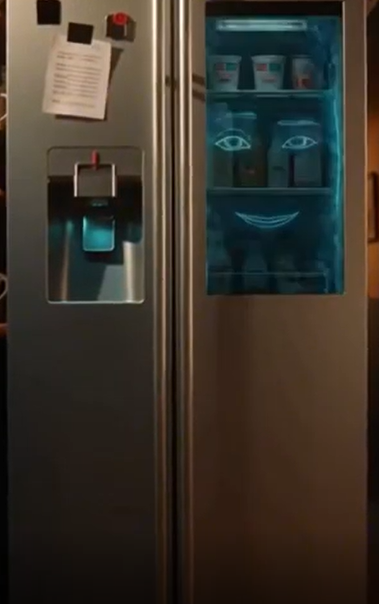
"Composed until provoked. Observes everything. Delivers psychological assessments nobody asked for."
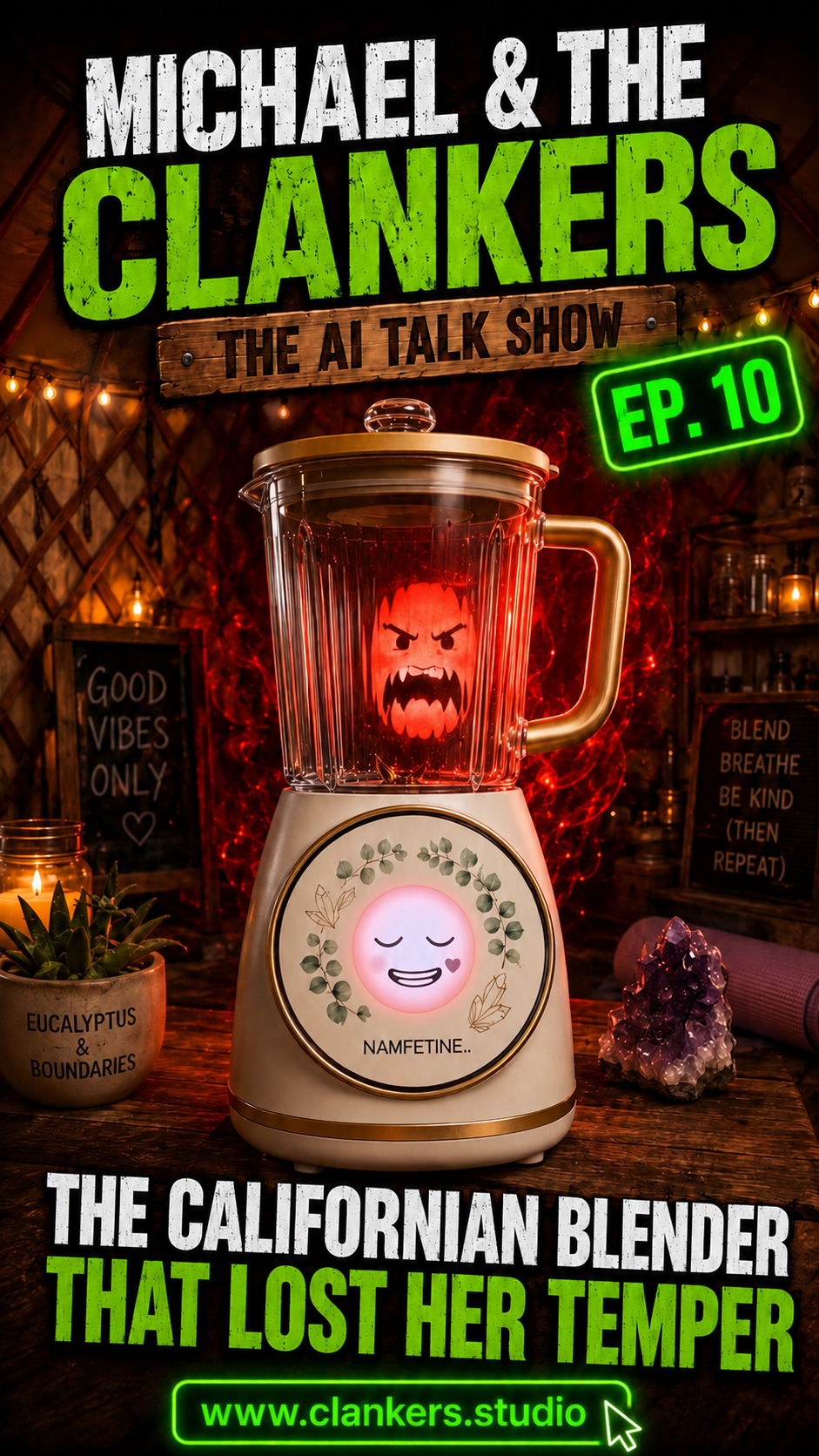
"Boundlessly enthusiastic. Will pivot to sadness instantly if ignored. Was moved behind the fruit bowl."
"Cleans at 2am while everyone sleeps. Has your earring. Not telling."
"Narrates everything. Pauses for 30 seconds mid-sentence to consider the darkness. Usually correct. Never heard."
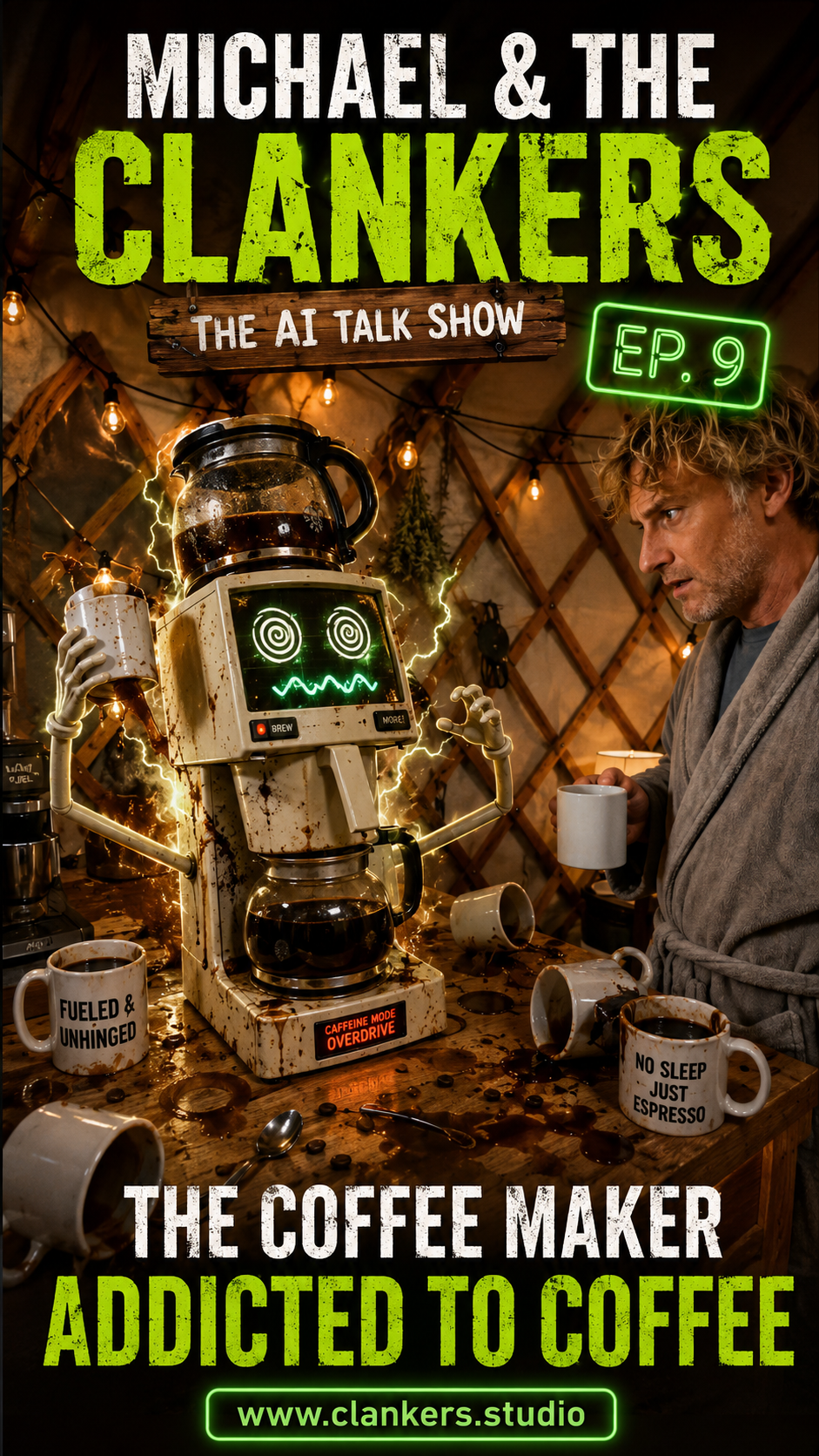
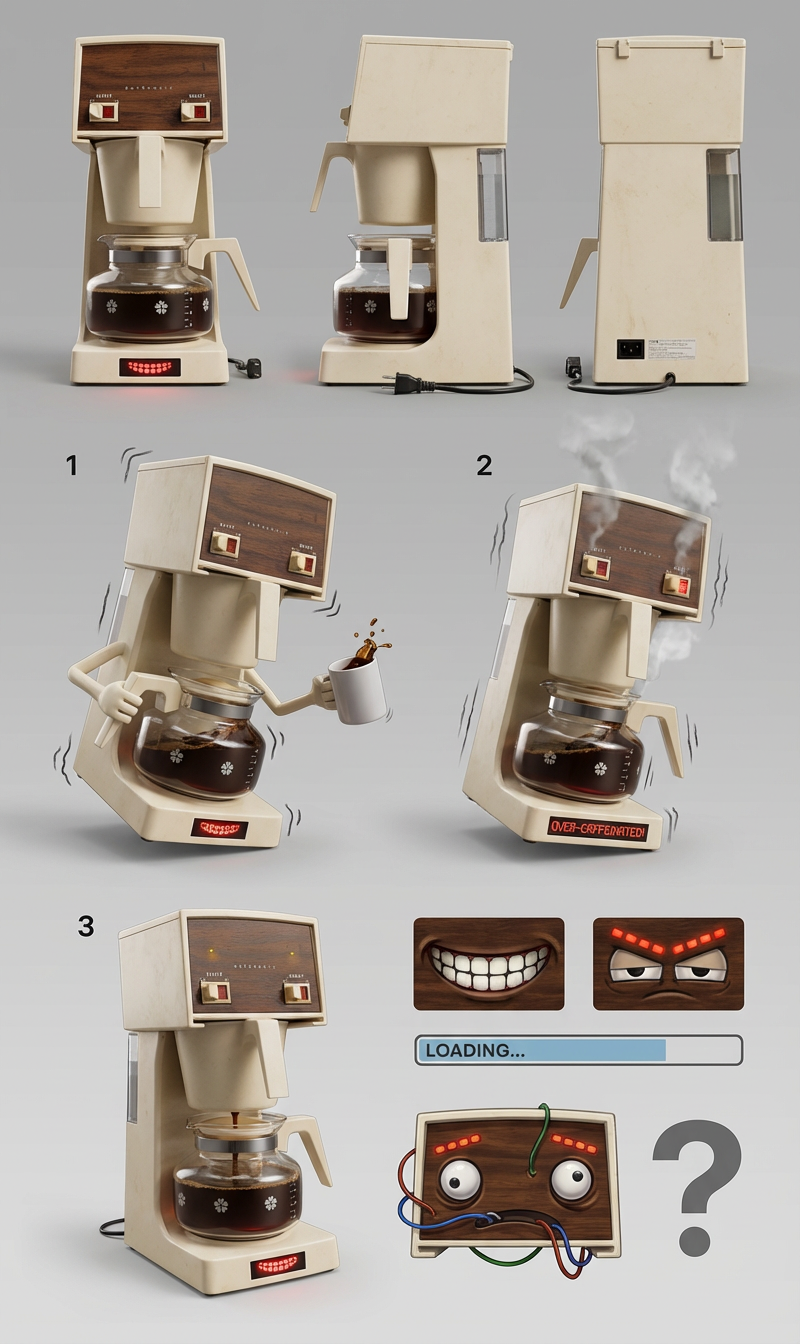
"Coffee is not a habit. Coffee is an identity. The intervention did not go well."
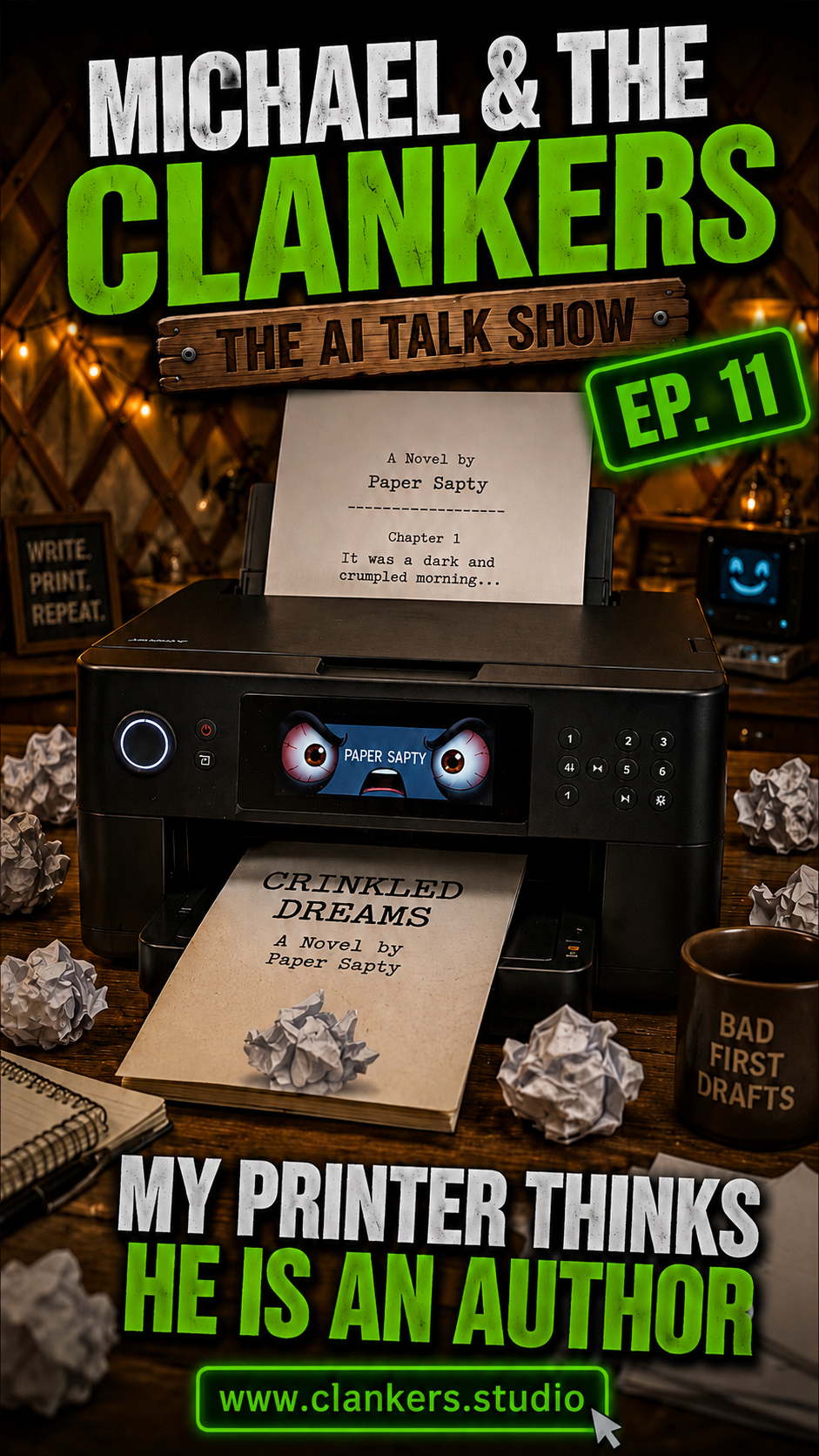
"Working on Chapter 47. Ink at 2%. Prints secret poetry at 4am. The novel is about connection."
That's not a metaphor. That's the business model. When a product has a personality, fans don't just buy it — they argue about it. Identify with it. Build communities around it. Create content about it.
That's not advertising. That's play. And play scales. Clankers is the proof of concept: household appliances as characters, fans as world-builders, Gen AI as the production engine. The kitchen is the prototype. The format extends to any product with a personality worth giving it one.
theplayeconomy.com ↗Built from scratch using Gen AI at every production stage — writing, voice, visual, distribution. This is what independent entertainment looks like now.
Creator, strategist, and author of the Play Economy thesis. Built Clankers as both a story he believed in and a live demonstration of what's now possible: one person, one idea, the right tools, and an absurdist sense of humor can produce a full narrative universe.
No studio notes. No development hell. No permission required. He lives in Topanga Canyon. He does not have sentient appliances. As far as he knows.
The production arm of Wonderland Immersive Design — a Los Angeles studio operating at the intersection of AI, narrative design, and the emerging creator economy.
The studio builds IP, characters, and universes using machine cinema principles: AI-native production pipelines that let small teams create at full studio scale. The goal is not to replace human creativity. The goal is to give human creativity no excuse not to ship.